- Teacher: Jennifer Garland
Category: ECCO

Accessibility Basics for Course Content is a short microcourse that can be completed in roughly 3.5 hours. It is a great course for those wanting to expand their skills in making their digital content accessible.
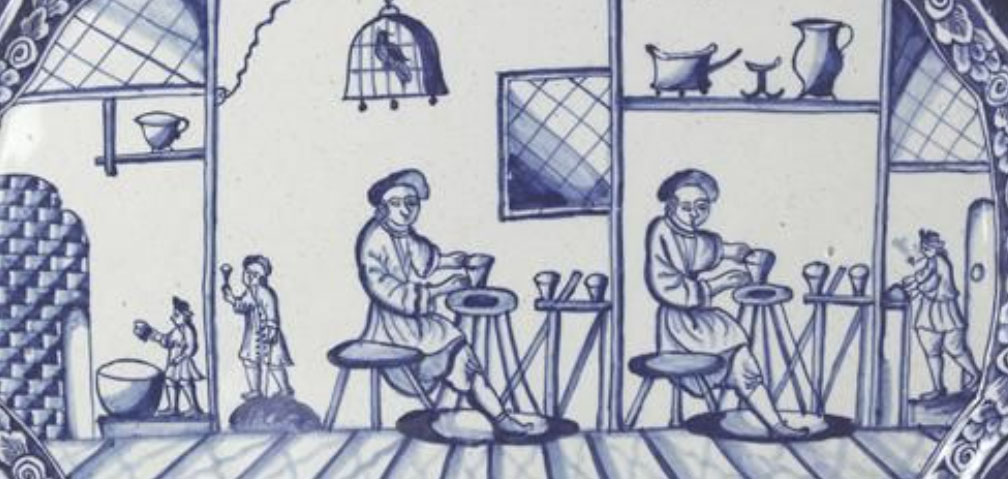
This is a non-prerequisite, hands-on experience working with clay. Students will gain Enhancement of ceramic wheel-throwing and hand building skills. Further development toward complex thrown and hand built forms with attention to good visual resolution, as well as the understanding of glaze formulation, testing, and kiln firing. Students will enhance their knowledge of surface treatments/techniques, and conduct in-depth exploration of historical, cultural, and modern trends and theory in ceramics. Contents and expected learning proficiencies of this course vary from term to term. May be repeated up to 8 credits.
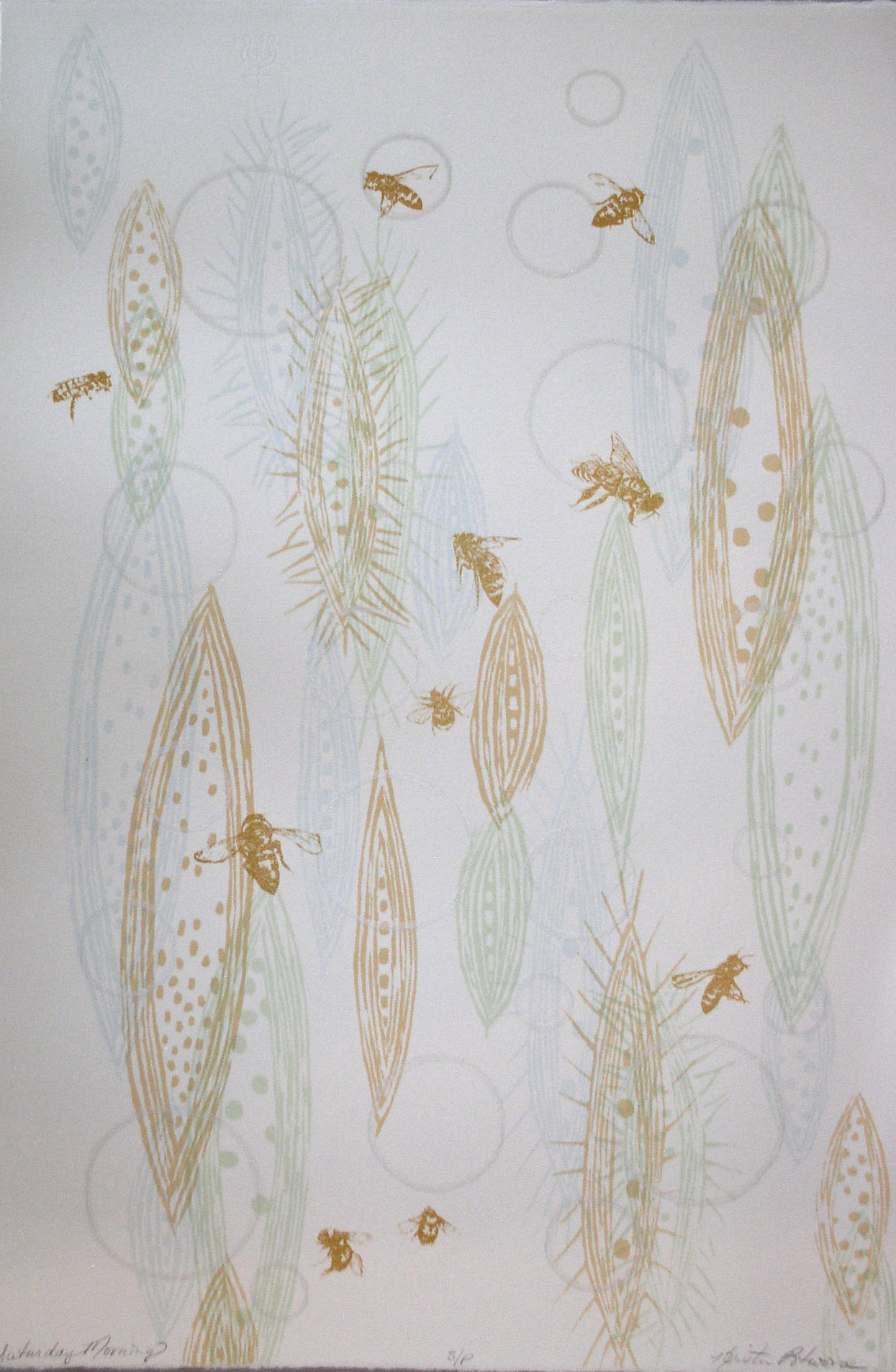
A combination course in screen printing for beginning, intermediate, and advanced students. Explores traditional and experimental techniques using water-based, paper and textile inks and emphasizes skill development, personal image making, and the creation and applications of editioned prints. Students explore established, historic, and contemporary issues in screen printing. The objective of this course is to provide students with a strong foundation, as well as exploratory applications in this medium. Content and expected learning proficiencies of this course vary from term to term.

A combination course in screen printing for beginning, intermediate, and advanced students. Explores traditional and experimental techniques using water-based, paper and textile inks and emphasizes skill development, personal image making, and the creation and applications of editioned prints. Students explore established, historic, and contemporary issues in screen printing. The objective of this course is to provide students with a strong foundation, as well as exploratory applications in this medium. Content and expected learning proficiencies of this course vary from term to term.

Emphasis on the basic technical and aesthetic aspects of painting with watercolor media. Explore and develop skills in the use of color, form, and composition. Lectures, demonstrations, critiques, and discussions expand students’ perceptions of the artistic process and watercolor painting practice. May be repeated up to 8 credits.

Independent study allows the student with prior qualifying college course experience in his/her field of interest to initiate individual projects with instructor approval. Enables the student to explore further specific interest, method, project, or technique. Upon completion of the course, the student should demonstrate an increased capability in the chosen field, method, or technique. Contents and expected learning proficiencies of this course vary term to term. May be repeated up to 9 credits.
This course is for students who have watercolor experience and would like to expand their knowledge of the medium. This class covers compositional issues and effective use of color according to themes and concepts. Students work on individual term projects, which are presented at critiques.


COMM 111Z emphasizes developing communication skills by examining and demonstrating how self-awareness, audience, content, and occasion influence the creation and delivery of speeches and presentations. This course is part of the Oregon Common Course Numbering System.



In this course, students will learn to design and plan the development of software systems. Topics covered will include requirements gathering, design evaluation and documentation, and object-oriented program design. By the end of the course, students will have produced a design for a significant software project as part of a team.


The purpose of this class is to learn how to work as part of a team to produce a moderately large software product. You will gain experience using many of the skills and concepts you have learned in your previous classes. The focus of the class will be on learning to use an Agile approach to software development, collaborating using version control and issue tracking systems, using unit tests and acceptance tests, and delivering a product to a real-world client.
Lane Community College Arts Division
Performing Arts Department
Spring Term 2026
COURSE INFORMATION SHEET
Course Numbers & Titles:
• D 185 Ballet 1 CRN 40294
• D 186 Ballet 2 CRN 40047
Credits: 2
Class Time: 2:00–3:20 PM Building 5, Room 136
Instructor: Florabelle Moses
Email: mosesf@lanecc.edu
Office Hours: M-Th: 1:30-2:00PM
• Or by appointment in the studio (Building 5, Room 136)
COURSE DESCRIPTION
This beginning intermediate level ballet course accommodates both pre-major
and non-major students. The class focuses on developing alignment,
coordination, musicality, and foundational ballet technique. Students are
introduced to basic and progressively more challenging center floor work,
including adagio phrases.
With an emphasis on realistic and progressive development, students typically
repeat this level up to three times before advancing to Ballet 2/3.
This course is repeatable for up to 12 creditsCOURSE OBJECTIVES
Students will:
• Reinforce ballet technique and classical style
• Develop knowledge of proper alignment and efficient use of the body in
motion
• Improve the ability to retain and perform simple movement phrases
• Increase strength, flexibility, and endurance related to dance
• Cultivate discipline and appreciation for ballet as an art form
COURSE OUTCOMES
Through participation in this course, students will:
• Understand expectations of dance professionalism
• Execute, recognize, and differentiate rhythmic patterns through musicality
• Demonstrate knowledge of basic ballet terminology
• Apply principles of alignment and basic anatomy to execute movement
accurately and safely
• Take responsible risks with courage and confidence
• Understand the value of community through listening, spatial awareness,
and respect for self and others
GRADING POLICY:
Students may earn a total of 100 points, distributed as follows:
1. Class Etiquette
–
50 points
• Be prompt (more than five minutes late counts as an absence)
• Arrive warmed up• Wear proper attire (leotard, tights, ballet shoes; hair pulled off the face)
• Be mentally, physically, and emotionally prepared
• Bring personal supplies (water, tape, etc.)
• Be present and actively engaged for the entire class
2. Positive Attitude
–
10 points
• Listen with your body and heart
• Be responsive, alert, and open-minded
• Respect the instructor, classmates, and yourself
• Be open to change and willing to take risks
3. Classwork / Homework
–
20 points
• Ask appropriate questions
• Learn from corrections given to others and apply them to yourself
• Integrate corrections in a timely way
• “Really dance” from the beginning to the end of class
• Practice and apply correct body placement and positions
4. Other Assessments
–
20 points
• Two quizzes: week 4 and 8 (10 points each)
Week 10 Open Show: Tuesday June 2 @ 3pm
Attendance and full participation are required and count toward the student’s
final participation grade.
GENERAL ASSIGNMENTS
This lecture/lab course is primarily an activity-based class. Concepts are
introduced and practiced in class, and skills and abilities are developed
progressively throughout the 10-week term.ATTENDANCE POLICY
• For classes meeting twice a week, two absences are allowed without
impact on the final grade
• Each additional absence lowers the final grade by one letter
• Arriving more than five minutes late counts as one absence
• Late arrival requires instructor permission to participate that day
Illness or Injury
• Students may observe class up to two times without being marked absent
• After two observations, students are encouraged to consider changing
their grading option to Pass/No Pass or Audit
Students are expected to communicate with the instructor and their advisor if
circumstances affect their ability to participate fully.
Extra Credit Opportunities
Attendance at the following performances may count toward extra credit:
• Eugene Ballet – Petrushka & AI Ballet (April 11–12, Hult Center)
• The Works: LCC Student Works (May 15-16)
• Student Dance Concert (May 28–30)
• Eugene Ballet – Alice in Wonderland (May 30–31, Hult Center)
• Duck Jam Hip-Hop: (June 4)
• Dema African Ensemble (June 5-6)
Dance supplies
Dancer’s Closet
576 Olive Street, EugeneAccessibility and Accommodations:
Lane Community College is committed to creating inclusive learning
environments. The Center for Accessible Resources (CAR) coordinates
academic accommodations for students with disabilities.
To request accommodations or assistance, contact:
• Phone: (541) 463-5150
• Email: accessibleresources@lanecc.edu
Lane Community College Arts Division
Performing Arts Department
Spring Term 2026
COURSE INFORMATION SHEET
Course Numbers & Titles:
• D 186 Ballet 2 CRN 41195
• D 187 Ballet 3 CRN 41196
Credits: 2
Class Time: 2:00–3:20PM Building 5, Room 136
Instructor: Florabelle Moses
Email: mosesf@lanecc.edu
Office Hours: M-Th: 1:30-2:00PM
• Or by appointment in the studio (Building 5, Room 136)
COURSE DESCRIPTION
Course Description
This course explores classical ballet vocabulary and technique as a foundational
movement practice that supports dancers working across contemporary and
multiple dance idioms. Through progressively refined barre and center floor
exercises, students develop alignment, coordination, musicality, strength, and
expressive clarity. Emphasis is placed on individual embodiment, reflective
practice, and the application of ballet principles to a wide range of movement
practices.Course Learning Outcomes
Upon successful completion of this course, students will demonstrate:
• Increased proficiency in classical ballet technique and vocabulary
• Improved understanding of alignment, coordination, and efficient use of
the body in motion
• The ability to retain, perform, and adapt short movement phrases
• Increased strength, flexibility, balance, and endurance applicable across
dance forms
• Greater awareness of musicality, spatial intention, and expressive choice
• The ability to critically reflect on personal movement habits, technical
development, and learning processes
• An understanding of how ballet technique can inform and support
contemporary dance practices and individual artistic expression
GRADING POLICY:
Students may earn a total of 100 points, distributed as follows:
1. Class Etiquette
–
50 points
• Be prompt (more than five minutes late counts as an absence)
• Arrive warmed up
• Wear proper attire (leotard, tights, ballet shoes; hair pulled off the face)
• Be mentally, physically, and emotionally prepared
• Bring personal supplies (water, tape, etc.)
• Be present and actively engaged for the entire class
2. Positive Attitude
–
10 points
• Listen with your body and heart• Be responsive, alert, and open-minded
• Respect the instructor, classmates, and yourself
• Be open to change and willing to take risks
3. Classwork / Homework
–
20 points
• Ask appropriate questions
• Learn from corrections given to others and apply them to yourself
• Integrate corrections in a timely way
• “Really dance” from the beginning to the end of class
• Practice and apply correct body placement and positions
4. Other Assessments
–
20 points
• Two quizzes: week 4 and 8 (10 points each)
Week 10 Open Show: Tuesday June 2 @ 3pm
Attendance and full participation are required and count toward the student’s
final participation grade.
GENERAL ASSIGNMENTS
This lecture/lab course is primarily an activity-based class. Concepts are
introduced and practiced in class, and skills and abilities are developed
progressively throughout the 10-week term.
ATTENDANCE POLICY
• For classes meeting twice a week, two absences are allowed without
impact on the final grade
• Each additional absence lowers the final grade by one letter• Arriving more than five minutes late counts as one absence
• Late arrival requires instructor permission to participate that day
Illness or Injury
• Students may observe class up to two times without being marked absent
• After two observations, students are encouraged to consider changing
their grading option to Pass/No Pass or Audit
Students are expected to communicate with the instructor and their advisor if
circumstances affect their ability to participate fully.
Extra Credit Opportunities
Attendance at the following performances may count toward extra credit:
• Eugene Ballet – Petrushka & AI Ballet (April 11–12, Hult Center)
• The Works: LCC Student Works (May 15-16)
• Student Dance Concert (May 28–30)
• Eugene Ballet – Alice in Wonderland (May 30–31, Hult Center)
• Duck Jam Hip-Hop: (June 4)
• Dema African Ensemble (June 5-6)
Dance supplies
Dancer’s Closet
576 Olive Street, Eugene
Accessibility and Accommodations:
Lane Community College is committed to creating inclusive learning
environments. The Center for Accessible Resources (CAR) coordinates
academic accommodations for students with disabilities.
To request accommodations or assistance, contact:
• Phone: (541) 463-5150
• Email: accessibleresources@lanecc.edu

I created this group as a way for you all to keep up with events and opportunities in political science. Things you can expect to see are events, jobs, internships, classes, relevant website suggestions, etc. Please feel free to contact me at any time to suggest content you'd like to see!
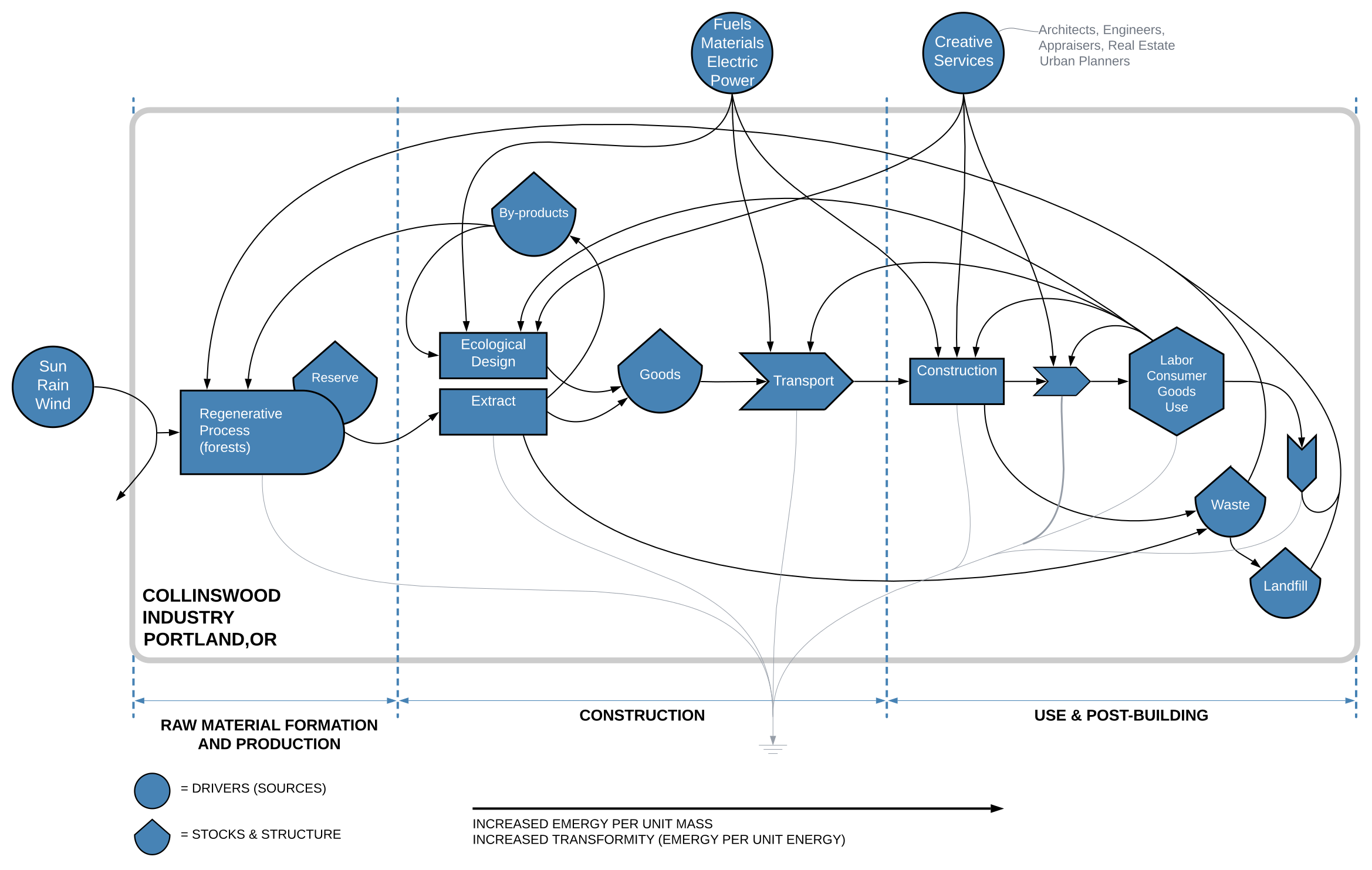
Fundamental principles of mechanical systems used in high-performance or green buildings, including energy, water, lighting, heating, ventilation, and air conditioning.
We Write Our Own Stories:
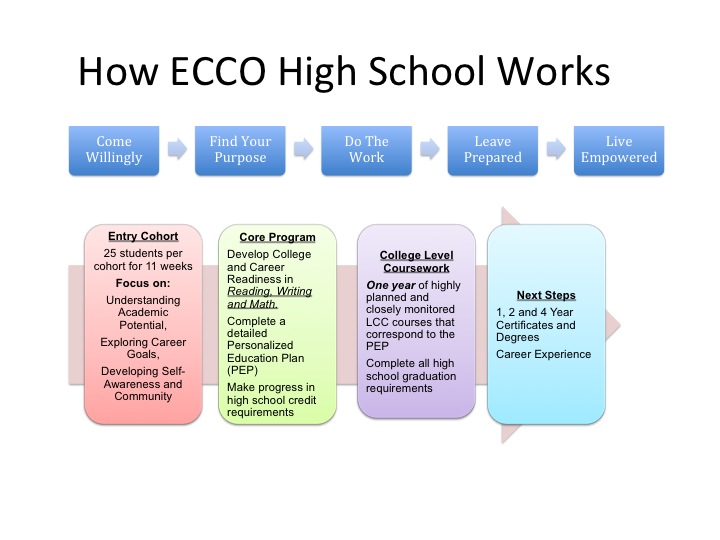
The ECCO Cohort is a 12 to 24 week experience for students to become connected to a plan they chart a path to where they want to be at age 25. Students in cohort become a community ready to continue after demonstrating proficiency. Daily awareness of time use connected to plan goals is key. Learning to Learn, Learning to Live, Learning to Work, Learning to Contribute.

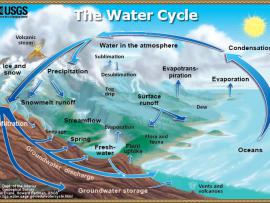
G102 is about geologic processes that shape the landscape at or near the Earth's surface. They include mass wasting events, weathering patterns, soil formations, stream systems, groundwater dynamics, and desert, glacial and coastal topographic features. All these various processes and landscapes are tied to the Earth's water cycle and are ultimately powered by the presence/absence of solar energy. Topographic maps, website readings, GOOGLE EARTH, videos and slides will assist in the learning process. By the end of the term, students will have an in depth understanding how and why different types of landscape features form. Furthermore, they will learn how global warming has changed the shape of some these landscapes and will continue to do so in the future.
In the HE 209 (Human Sexuality) course, students will explore the physiological, psychological, and sociological factors that contribute to the development and expression of one’s sexuality. This course is designed to increase self-awareness and knowledge about sexual relationships and sexual identity, in order to create positive sexual health outcomes.
This is an in-person class (MW 10-11:20am) where CPR & First Aid skills are practiced and rehearsed. Grades are awarded based on a combination of in-person attendance, participation, skills performance, worksheets, and exams. If you know you will have difficulty with attendance, I recommend the HE 252 online/hybrid section.
Required Text:
American Red Cross (2017) Responding to Emergencies, Comprehensive First Aid/CPR/AED. ISBN: 978-1-58480-684-4
I recommend the physical copy, although some students have had success finding and using a digital copy. Both the exams and worksheets are derived from the required text ISBN: 978-1-58480-684-4.
Syllabus: Coming Soon
LOCATION
First Aid/CPR Lab is located in building 5/125 (PE/gymnasium).
Room 5/125 is downstairs in the breeze-way between building 4 and 5.
I look forward to seeing you for our first day of class, Monday, March 30th at 10am.
Best, P. "Grady" O'Connor
This course is intended as an introduction to the field of human services with a focus on developing a broad, generalist view. Students will be introduced to a wide array of social and personal challenges that are addressed by the field of human services. Students will explore the way economics and history shape current social welfare programs and policies. The philosophical and theoretical foundations of the human services movement as well as career opportunities I the field will be examined. Trends and intervention strategies for a number of service systems will be introduced with a focus on cultural humility and trauma informed care.



Self-enroll yourself into this course!
Writing in the margins has always been an essential activity for students. Annotation helps in reading comprehension and in developing critical thinking about course materials. Hypothes.is enables students to continue this essential activity with online readings. Digital annotation also offers new affordances, enabling students to respond to text using different media and empowering them to collaborate on understanding and developing ideas about their readings.
Quick Help (external links)

Help him conquer his obstacles by copying and pasting correct URLs to complete the quest.
This Moodle Course was built for existing students familiar with Moodle. It is designed to provide self-paced training for new student workers (TPAs) at Lane in the building 1 lobby.
This course covers your responsibilities as a TPA, lists training you are required to complete and information you need to know. It provides resources and training materials.
Titan Peer Associates work at the main Lane campus in building 1. They are hired by Enrollment Services. TPAs are student employees serving Enrollment Services, Financial Aid, Counseling and Advising other building 1 departments and assisting with general campus inquiries.
Instructors can self-enroll into this self-paced course
Time: ~1h 39m | Beginner | Released: 7/19/2023
The Learning Moodle course demonstrates how instructors can get started using Moodle, including newer v4 features. In this course, elearning expert Oliver Schinkten shows you how to set up and configure courses, students, and educators in Moodle. Oliver shows you ways to create content and feature-rich classes, how to leverage the Moodle learning modules with students, and details the day-to-day operations of Moodle like communication and grading. assignments, and run reports.
Learning objectives

Together in Accreditation: Our MAERB Journey via Moodle
Welcome to our shared space for tracking and celebrating our progress toward MAERB accreditation. This Moodle-based hub serves as our central platform for preparing and organizing documentation for our MAERB Continuing Accreditation Self-Study Report (CONTSSR). Together, we'll assess and document our program's excellence in meeting the 2022 CAAHEP Standards and Guidelines.
In this internship course, students will gain work experience in area businesses related to management. The purpose of the course is to give students enrolled in the BAS in Business degree program a structure to reflect on their internship experience and apply their learning in a real-world environment. Students will integrate theory and practice, develop skills, and expand career knowledge while earning credit toward the BAS in Business degree. Instructor consent required; meet with the Business Dept. Co-op Coordinator before registering.

 This self-paced course is designed for students who are new to Moodle. It introduces participants to Moodle and prepares them for taking online courses in it. Upon completion of this course, you'll be able to navigate in a Moodle site; describe the basics of the Moodle from a student perspective; identify ways that you may personalize your Moodle experience; recognize the features of a Moodle course that are key to a successful learning experience; participate in the most common activities and resources in a Moodle course; and identify how to monitor academic progress through Moodle. This course is not facilitated.
Online New Student Orientation (NSO) and resources. NSO is set up for all new students starting at Lane Community College. This course will ensure you are ready to start the term on the first day of class and provide resources you can access throughout your first term.
No edits below this line


Ethics is the study of morality, including an analysis of the concepts of good and evil, right and wrong, justice, responsibility, duty, character and successful living. Topics include whether morality is relative to culture or to the individual, moral skepticism, the relationship between morality and religion, theories about what makes particular actions right or wrong, the source of moral knowledge and how morality affects the way we approach controversial social issues.


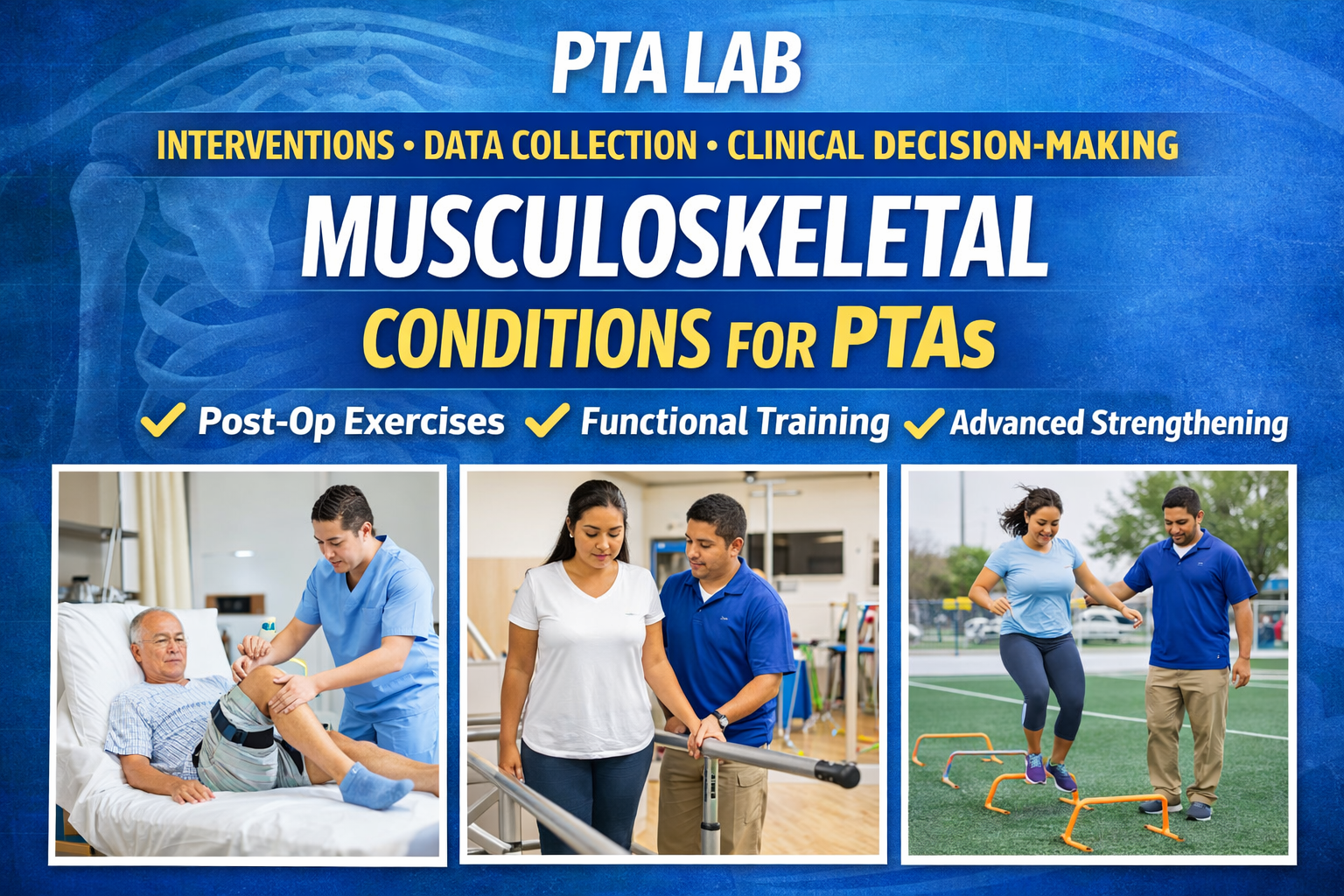


A Moodle course covering the following topics:
Description
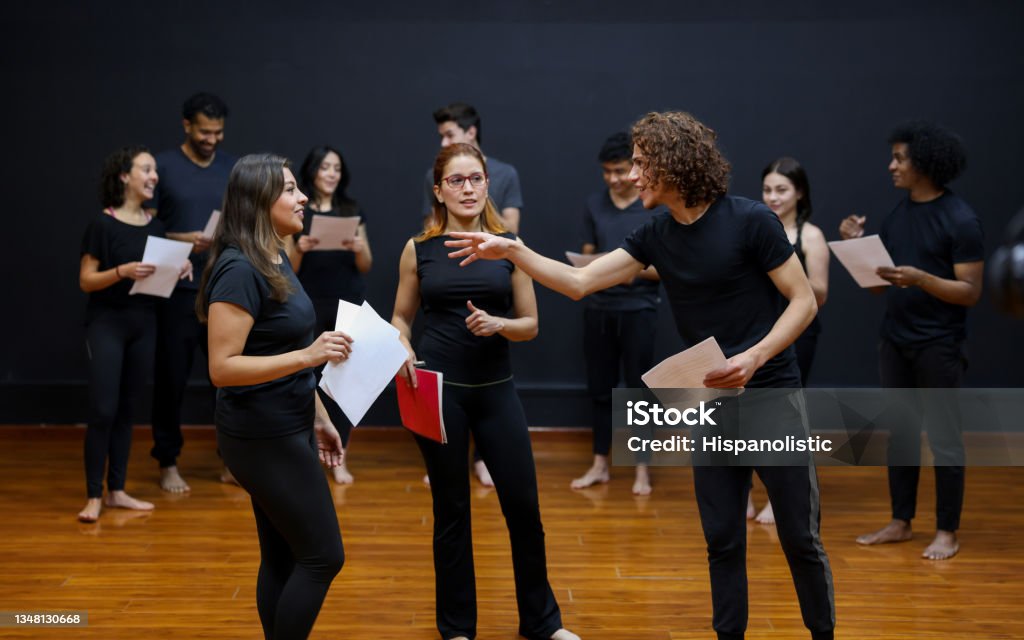
Students learn theatre games, scene development, and other improv techniques. This course develops self-confidence, small group communication skills, and problem-solving skills. It is beneficial for improvisers and professionals of all fields. No prior experience necessary.
Course Learning Outcomes
Demonstrate heightened confidence, self-awareness, relaxation, and understanding of improv techniques necessary to effectively improvise for the stage.
Apply body, voice, observation, concentration, imagination, game structure, and storytelling to effectively improvise for the stage.
Conduct effective research on improv techniques and games and apply findings to group activities and performances.
Express a personal artistic aesthetic using informed vocabulary to evaluate the strengths and weaknesses of improv work and reflect on personal artistic growth.
Engage and strengthen critical thinking, empathy, small group communication, and problem-solving skills, and embrace failure as an opportunity for growth.